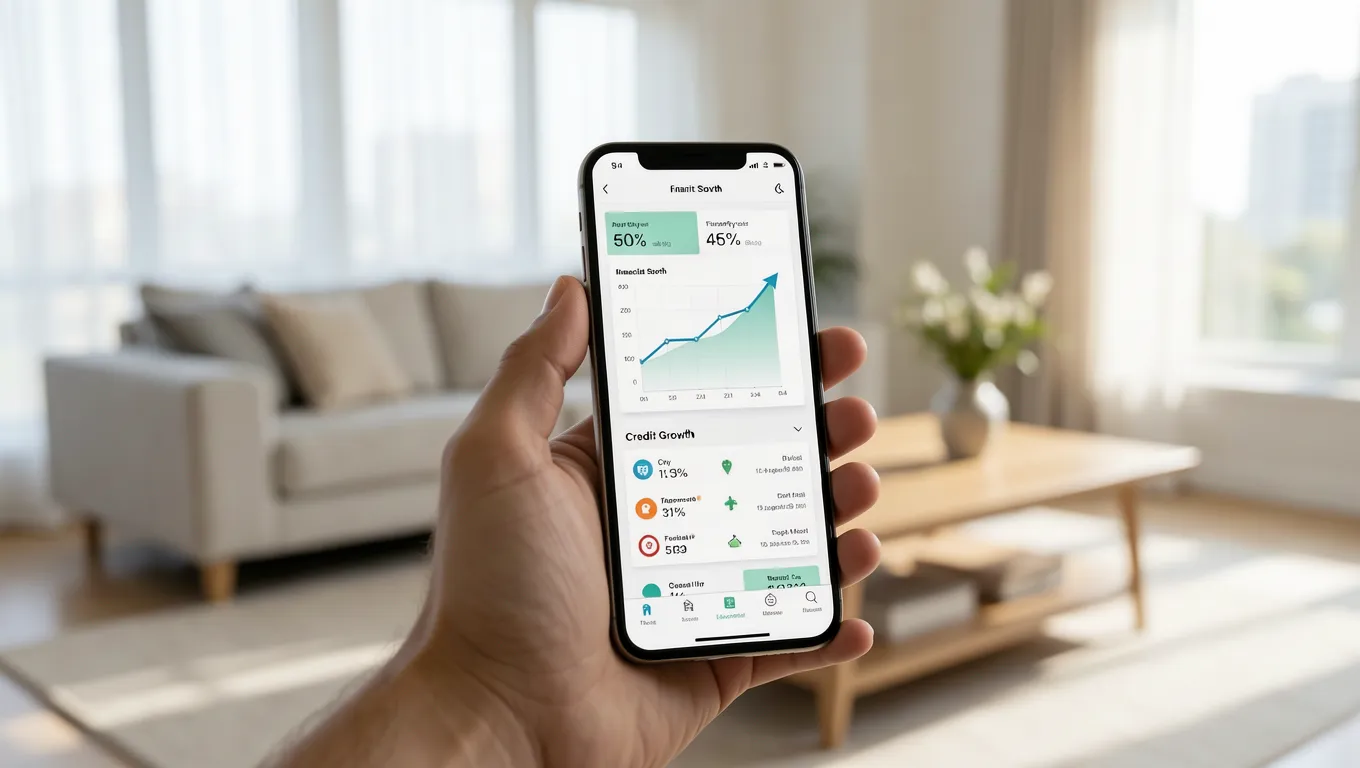
Connecting you to lenders that look beyond your credit score. Explore your potential loan matches for 2026 in just a few clicks.
No hard credit pull · Takes 2 minutes
Won't impact your credit score
Provide basic information about your financial needs and income to see potential matches.
Compare different loan terms and rates from a variety of lenders side-by-side.
Choose the offer that best fits your budget and complete the final application with the lender.
Navigating the world of finance when your score is not ideal can feel daunting, but unsecured personal loans for bad credit offer a lifeline for many in 2026. Unlike secured options that require collateral like a vehicle or home equity, these loans rely solely on your promise to repay. This means you do not have to risk your property to access funds. However, because the lender carries more risk when they cannot seize an asset if payments are missed, the APR range typically sits between 18% and 35.99%, depending on your specific profile. According to data often cited by the Consumer Financial Protection Bureau (CFPB), understanding the total cost of borrowing is essential before signing any agreement.
Many lenders will examine your debt-to-income ratio and recent payment history rather than just a single FICO score. This approach allows those with past financial hiccups to find relief through structured, fixed-rate installment loans that help manage cash flow more effectively. In the current 2026 market, lenders are increasingly looking at alternative data points to determine creditworthiness, which can be beneficial for individuals who have been unfairly penalized by traditional scoring models.
It is important to note that while these loans provide quick access to capital, they require a disciplined approach to repayment. Using a fixed-rate installment loan ensures that your monthly payments remain predictable, preventing the 'payment shock' often associated with variable-interest debt. By understanding how credit utilization affects your future score, you can use these funds strategically to rebuild your financial standing while meeting your immediate needs.
| Feature | Traditional Bank | Online Lenders | LendingLee Matches |
|---|---|---|---|
| Approval Likelihood | Low for bad credit | Moderate to High | Varies by lender |
| Typical APR Range | 6% - 25% | 18% - 35.99% | Customized to you |
| Speed of Funding | Days to Weeks | Same Day to 3 Days | Varies by lender |
| Collateral Required | Often Yes (Secured) | No (Unsecured) | Primarily Unsecured |
When applying for unsecured financing without a stellar credit history, lenders look at several qualitative and quantitative factors. While many assume only the FICO score matters, modern underwriting in 2026 often considers your credit utilization ratio and even your stability of income. Lenders want to see that you have a consistent stream of revenue to cover monthly installments. The Federal Reserve has noted that for borrowers with lower scores, the ability to demonstrate steady employment is a significant factor in approval decisions.
It is also crucial to understand how an origination fee might impact your net proceeds; some lenders deduct this from the loan amount upfront, while others roll it into the total balance. You should always ask if there are any hidden costs associated with the loan process. For example, a lender might offer a lower interest rate but charge a high one-time fee that offsets the savings over the life of the loan.
Furthermore, your debt-to-income ratio (DTI) remains a cornerstone of the approval process. Even if you have no late payments in the last six months, a DTI that is too high may lead to a denial or a higher interest rate. Lenders want to ensure that adding another installment loan will not push your monthly obligations beyond what your income can comfortably support.
The cost of borrowing is not a one-size-fits-all equation. In 2026, interest rates for subprime borrowers are highly sensitive to macroeconomic shifts. For those utilizing unsecured personal loans for bad credit, the interest rate you receive is heavily tied to your overall risk profile. Some lenders may offer lower introductory rates that later adjust, though fixed-rate installment loans remain a popular choice for budgeting predictability.
It is vital to check if there are any prepayment penalties; many modern online lenders have eliminated these, allowing you to pay off the debt early without extra cost. Always review the terms carefully to ensure the monthly payment fits within your existing budget. A common mistake is focusing solely on the total loan amount rather than the total interest paid over the entire term of the loan.
Additionally, be aware of how origination fees are calculated. If you need $5,000 but the lender charges a 5% origination fee, you might only receive $4,750 in your bank account while still being responsible for repaying the full $5,000 plus interest. Being mindful of these nuances can save you hundreds or even thousands of dollars over the life of your loan.
Check for errors on your credit reports from Experian or Equifax. Even a small error can impact your score significantly.
Try to pay down existing revolving balances before applying. Lowering this ratio is one of the fastest ways to boost your score.
Ensure you have recent, consistent documentation like pay stubs or tax returns ready for a lender's review.
Applying to too many lenders in a short window can signal risk. Use matching services that use soft credit checks first.
Get connected to multiple lenders in minutes without the hassle of individual applications.
Your data is protected by industry-leading encryption and privacy standards.
LendingLee does not charge you to use our matching service; it's completely free for users.
See real rates and terms so you can make an informed decision based on your budget.
Seeking credit when scores are low can lead some into high-cost traps if they aren't careful. One major pitfall is ignoring the total cost of interest. A loan with a lower monthly payment might actually cost you more over the life of the loan if the term is extended too long. For example, stretching a $5,000 loan from 24 months to 60 months might make it affordable today, but you could end up paying double in interest.
Another risk involves 'loan stacking,' where borrowers take out multiple high-interest loans in quick succession, which can severely damage their credit profile further. This creates a cycle of debt that is incredibly difficult to break. It is also important to be wary of lenders that demand upfront fees before providing funds—this is often a red flag for predatory practices and should be avoided at all costs.
Finally, always ensure you understand the repayment schedule. Some loans have 'interest-only' periods or deferred payment options that can cause interest to accrue rapidly. Being proactive about your repayment strategy is the best way to navigate these products successfully in 2026.
Sometimes, an unsecured loan might not be the most efficient way to handle a specific financial hurdle. For instance, if your primary goal is managing credit card debt, a debt consolidation loan may offer a much lower interest rate than the cards themselves. While an unsecured personal loan for bad credit can help, it should be part of a larger plan to manage your overall credit utilization.
Alternatively, for those with significant assets, a secured line of credit might provide more favorable terms, though it involves risk to that asset. In 2026, comparing these options against unsecured personal loans is the smartest way to ensure you are not paying more than necessary. Assessing your debt-to-income ratio and long-term financial goals will help determine if a quick infusion of cash via an unsecured loan or a strategic consolidation plan is better suited for your needs.
Ultimately, the best choice depends on whether you need immediate liquidity or long-term debt restructuring. An unsecured loan provides speed and simplicity, making it ideal for emergencies or small improvements. However, if you are looking to overhaul your entire financial standing, look toward structured consolidation tools that can lower your aggregate interest rates over time.
Adjust the sliders to see an instant estimate. Actual rates depend on your credit profile.
* Estimate only. Actual rate and terms depend on lender approval.
Estimated Monthly Payment
$332.14
per month for 36 months
No impact on your credit score