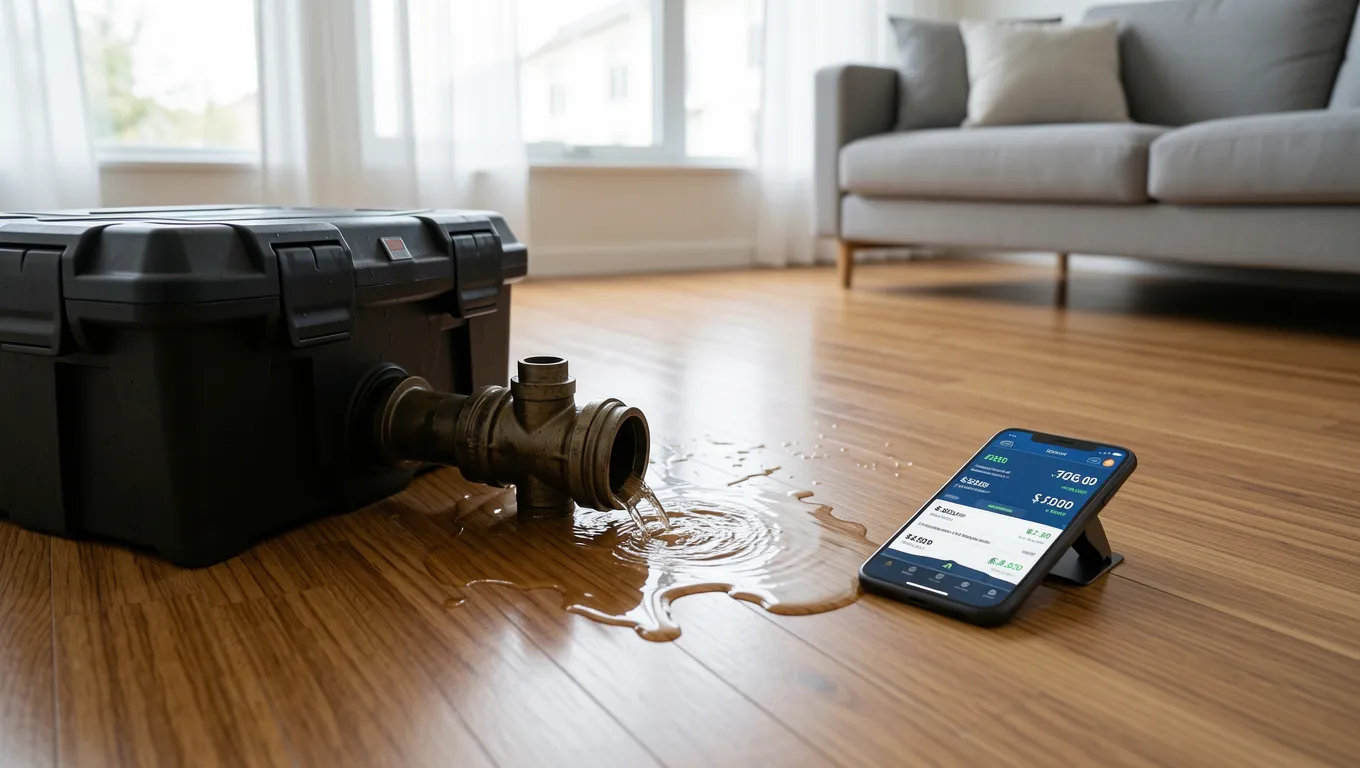
When unexpected costs arise, you need options that move as fast as your life does. LendingLee helps you connect with lenders offering flexible solutions in 2026.
No hard credit pull · Takes 2 minutes
Won't impact your credit score
Provide basic details about your financial situation and the amount you may need for your emergency.
Review a variety of potential matches from different lenders to see which terms best suit your needs.
Select the offer that works for you and complete the application directly with the lender to finalize your funding.
When an unplanned expense disrupts your budget, a fixed-rate installment loan can serve as a vital bridge. In 2026, the landscape of digital finance has evolved to allow many borrowers to find potential solutions in a matter of minutes. Whether you are facing a sudden medical bill or a critical home repair, these loans provide a structured way to manage costs without relying on high-interest credit card debt. It is important to note that using such a loan means entering into a legal contract with a lender, and terms will depend heavily on your specific financial profile.
The cost of borrowing can vary significantly based on several factors. Typically, you might see an APR range from 5.99% to 35.99% depending on the lender's criteria and your creditworthiness. According to data often cited by consumer protection agencies like the CFPB, understanding the total cost of a loan is essential before signing any agreement. You should always look closely at the total amount payable over the life of the loan to ensure it fits within your monthly budget.
Borrowers often seek amounts ranging from $500 for minor repairs to $50,000 for major emergencies. Because these funds are intended for urgent situations, many lenders offer rapid decision-making processes. However, approval is never guaranteed and depends entirely on the lender's specific underwriting standards, including your debt-to-income ratio and current credit utilization.
Life does not always provide a warning before an expense arrives. One of the most common drivers for seeking emergency financing is unplanned medical expenses. Even with insurance, out-of-pocket costs for urgent procedures or prescriptions can create immediate strain on your cash flow.
Another significant category involves essential home maintenance. A burst pipe, a broken HVAC system, or a leaking roof cannot wait until next month's paycheck. In these cases, the speed of funding is often just as important as the interest rate. Homeowners may find that an installment loan provides the necessary liquidity to prevent further property damage.
Automotive emergencies also rank highly among reasons for borrowing. If your primary mode of transportation requires a major repair to keep you commuting to work, the ability to access funds quickly can be life-changing. By understanding these common scenarios, you can better prepare for how to manage your credit utilization and maintain a healthy financial standing throughout the year.
| Scenario Type | Typical Amount Range | Likely Funding Speed | Primary Benefit |
|---|---|---|---|
| Medical Bills | $500 - $25,000 | 1-3 Business Days | Predictable Repayment |
| Car Repairs | $500 - $10,000 | Same Day / 24 Hours | Maintains Mobility |
| Home Repairs | $1,000 - $50,000 | 1-5 Business Days | Protects Property Value |
| Utility Arrears | $200 - $2,000 | Rapid Processing | Prevents Disconnection |
| Pet Emergencies | $500 - $5,000 | Fast Turnaround | Immediate Care Access |
When you are in a rush, it is easy to overlook the fine print of your loan agreement. However, the repayment structure can have a massive impact on your long-term financial health. Most personal loans used for emergencies feature fixed interest rates, which means your monthly payment remains consistent throughout the term. This stability is highly beneficial when you are already managing an unplanned expense.
It is vital to distinguish between the APR (Annual Percentage Rate) and the base interest rate. The APR includes not just the interest but also any mandatory fees, such as an origination fee, which gives you a more accurate picture of what the loan actually costs. As noted by various consumer advocacy groups including the FTC, transparency in these figures is key to avoiding 'debt traps' where interest accumulates faster than you can pay it down.
Furthermore, consider the length of your term. A shorter term might result in higher monthly payments but will save you a significant amount of money in total interest paid over time. Conversely, a longer term may lower your monthly obligation, making it easier to manage during an emergency, though it increases the total cost of borrowing. Always evaluate which option aligns best with your current cash flow and future financial goals.
Securing a loan for an emergency requires meeting certain criteria set by individual lenders. While every lender has their own unique scorecard, most will look at your credit score as a primary indicator of risk. A higher score may lead to more favorable interest rates and larger borrowing limits, while those with fair or poor credit might find fewer options or higher costs.
Beyond your credit score, lenders heavily scrutinize your debt-to-income (DTI) ratio. This is the percentage of your gross monthly income that goes toward paying existing debts. If a large portion of your income is already committed to other loans or credit cards, you may find it more difficult to qualify for new emergency funding. Lenders want to ensure that adding another installment loan will not jeopardize your ability to meet your financial obligations.
Income verification is another critical component. You will likely need to provide proof of steady employment or consistent income through pay stubs or bank statements. In 2026, many lenders have streamlined this process using digital verification tools, but the requirement for stable, verifiable income remains a cornerstone of the lending process across the industry.
If this option fits your situation, it's also worth comparing loan purposes.
Reviewing your report through a major bureau like Experian can help you identify and fix errors before you apply, potentially improving your interest rate.
Don't just look at the monthly payment; always check the total amount repaid over the life of the loan to ensure it is affordable.
Ensure any lender you choose is well-reputed and follows all consumer protection laws to avoid predatory practices.
Pay close attention to origination fees or prepayment penalties that could increase the actual cost of your emergency loan.
We connect you with a wide range of lenders to increase your chances of finding the right match.
Our streamlined process is designed to help you get answers quickly when time is of the essence.
LendingLee's matching service is completely free for users searching for better loan options.
Your data is protected with industry-leading encryption standards during the entire process.
Adjust the sliders to see an instant estimate. Actual rates depend on your credit profile.
* Estimate only. Actual rate and terms depend on lender approval.
Estimated Monthly Payment
$332.14
per month for 36 months
No impact on your credit score